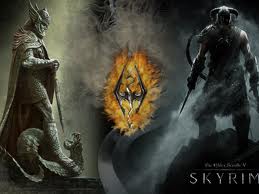
--Nords are based off of Vikings, and their culture as well, even the Religion.
--Imperials are based off of Romans.
 » Thu Jun 07, 2012 11:51 pm

» Thu Jun 07, 2012 9:31 am

» Thu Jun 07, 2012 5:38 pm

» Thu Jun 07, 2012 12:34 pm

» Thu Jun 07, 2012 9:01 am
» Thu Jun 07, 2012 8:23 pm

» Thu Jun 07, 2012 1:58 pm

» Thu Jun 07, 2012 6:56 pm
» Thu Jun 07, 2012 9:00 pm

» Fri Jun 08, 2012 12:05 am
» Thu Jun 07, 2012 11:48 pm

» Thu Jun 07, 2012 8:55 am
» Thu Jun 07, 2012 10:02 am

» Thu Jun 07, 2012 7:46 am

» Thu Jun 07, 2012 6:37 pm

» Thu Jun 07, 2012 2:26 pm

» Thu Jun 07, 2012 7:40 pm

» Thu Jun 07, 2012 8:52 pm

» Thu Jun 07, 2012 8:13 am

» Thu Jun 07, 2012 8:03 pm
 (from Brittany in Northern France)
» Thu Jun 07, 2012 6:37 pm
» Thu Jun 07, 2012 10:52 am
» Thu Jun 07, 2012 9:56 pm

» Thu Jun 07, 2012 1:24 pm

» Thu Jun 07, 2012 9:51 am