 » Sun Jun 03, 2012 8:02 am
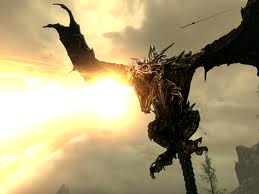
 In F3 and FNV it fits the theme well due to the gameworld. In Skyrim it fits the theme well because of the gameworld.
Or are you really trying to suggest that Skyrim is nothing more than a sword and sorcery FNV? If so there is no option here to make a "MEH" large enough to reflect my opinion. The same firm made the games. Whoop-de-do
Or are you really trying to suggest that Skyrim is nothing more than a sword and sorcery FNV? If so there is no option here to make a "MEH" large enough to reflect my opinion. The same firm made the games. Whoop-de-do
The meaning of "meh" is to indicate disintrest. It is, inherently non-emphatic. Increasing the size of the font attempts to impress emphasis onto something that needs none. There is never a need to emphasize disinterest. You don't care enough. You are disinterested. Attemping to press the point contradicts the purpose making the point.
There is no level to how disinterested you can be, because you don't care. You can't "not care" anymore than not-caring